BACK TO CONTACT

CEO FINANCE & DECISION ADVISORY

Move the business forward, with judgment at the core

When the finance team can run accounting and tax but cannot yet support margin analysis, cash planning, expansion, or fundraising, I step in for the decisions that need senior finance judgment. The work can begin with one defined project.

Explore the advisory

01 / WHERE THE PRESSURE APPEARS

The accounts may be complete while the decision remains unclear

Companies rarely wake up one morning and decide they need a CFO. The need appears gradually as the business expands, management questions become harder, and existing reports can still only explain the past.

01 / OPERATING PRESSURE

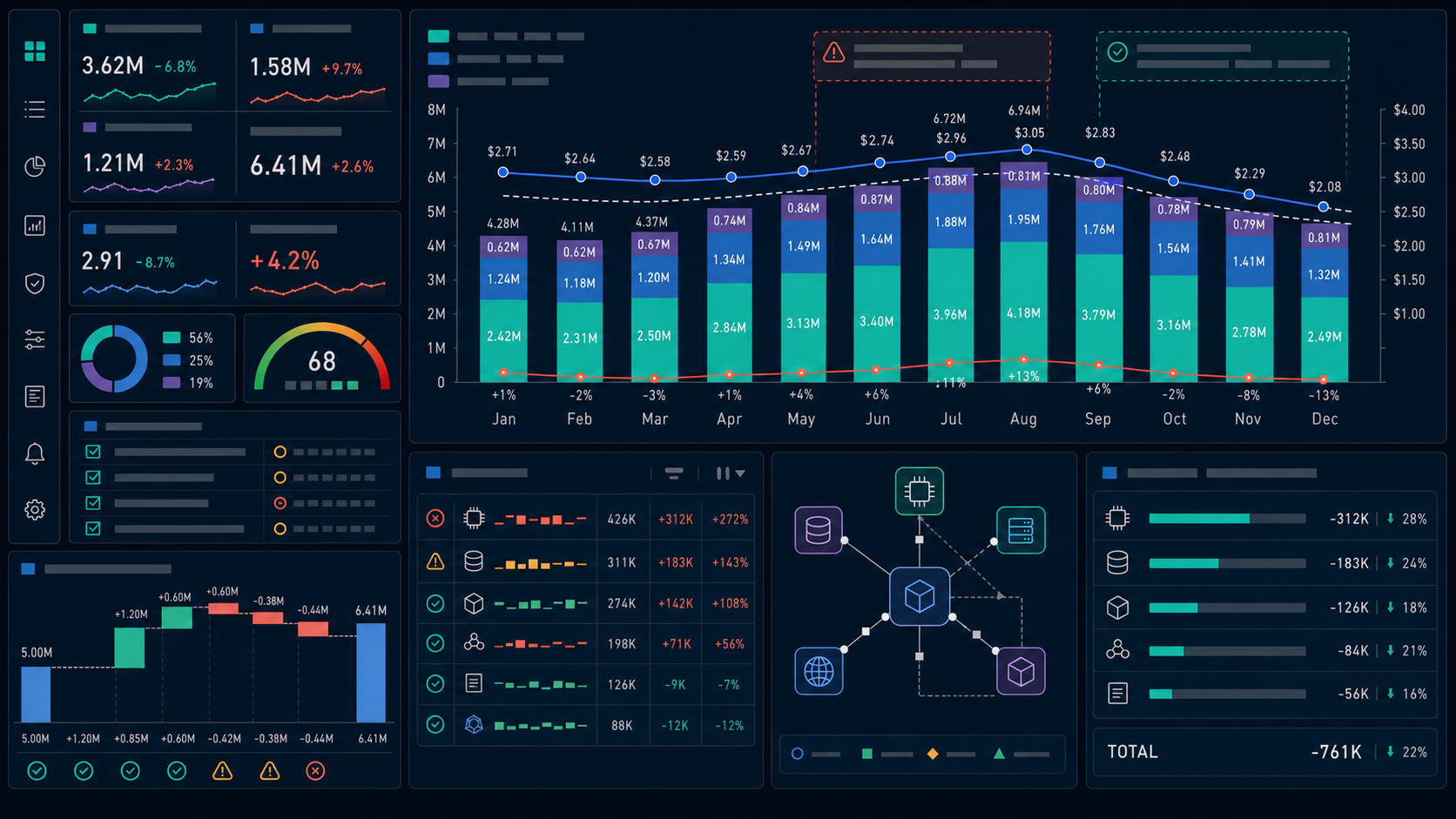
The business is becoming harder to manage

Revenue, profit, cash, and resource requirements no longer move in the same direction.

01Revenue is growing, but customer and product profitability remain unclear

OPERATING RESPONSE

  • Split revenue and gross margin by customer, product, and use case
  • Put pricing, delivery cost, and collection timing in one profit view
  • Use the monthly review to isolate the one or two variables that move the result
02The P&L shows profit while cash stays tight

OPERATING RESPONSE

  • Translate the P&L into a timeline of collections, payments, and cash on hand
  • Identify the cash absorbed by terms, prepayments, and fixed commitments
  • Run a rolling cash forecast and bring the warning line into the management cadence
03Expansion decisions still depend largely on founder judgment

OPERATING RESPONSE

  • Test the marginal return on new customers, people, and supplier capacity
  • Compare pace, cash use, and payback across operating scenarios
  • Make the expansion choice explicit enough to review later
04Finance explains the past but cannot yet support the next move

OPERATING RESPONSE

  • Translate management questions into metrics, definitions, sources, and owners
  • Set a weekly and monthly cadence that sees movement before explaining cause
  • Connect reporting directly to budget changes and operating actions
02 / A MAJOR MOVE

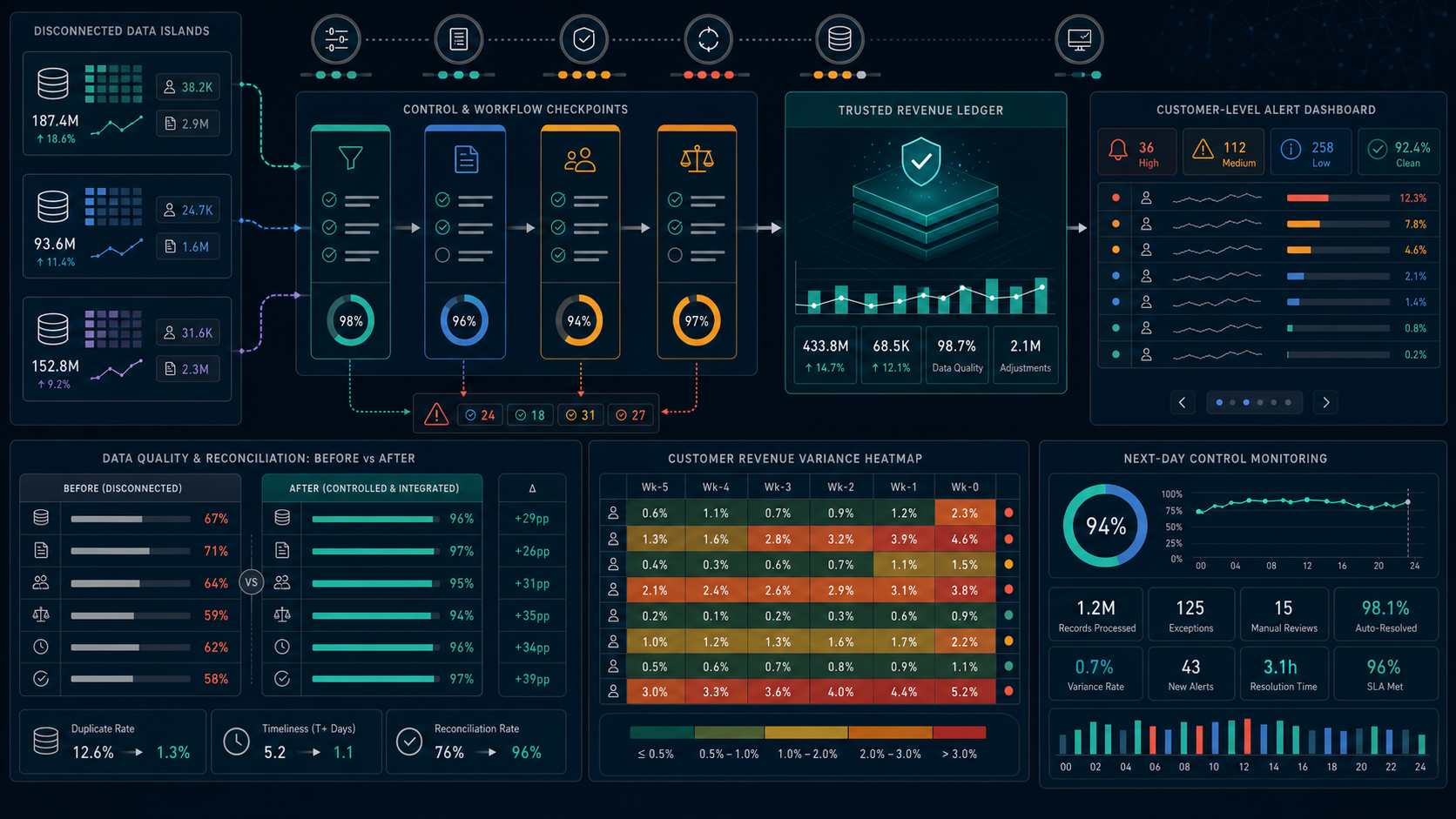
The company is preparing for a consequential move

Fundraising, international expansion, M&A, and business-model change expose weaknesses quickly.

01Fundraising or institutional diligence is approaching

OPERATING RESPONSE

  • Reconcile revenue, customers, costs, cash, and historical definitions into one fact base
  • Work backward from investor questions to the materials and working papers
  • Put explainable issues on the table before an external reviewer does
02The company plans to expand overseas, acquire, or restructure

OPERATING RESPONSE

  • Map entity, contract, cash, and tax responsibilities before the transaction moves
  • Turn a one-off transaction into a deliverable, collectible, and accountable project
  • Use a project model to test investment, return, and risk exposure
03Management must explain the business to shareholders, banks, or investors

OPERATING RESPONSE

  • Reduce a complex business to revenue logic, growth drivers, and cash outcomes
  • Separate conclusions supported by data from assumptions still being tested
  • Give different audiences different views of the same fact base
04Historical data and controls will face external review

OPERATING RESPONSE

  • Trace the data to find gaps that cannot be reproduced or reconciled
  • Complete the chain across process, authority, and system records
  • Close risks with an owner, a date, and a remediation list

02 / HOW WE WORK TOGETHER

Keep the existing team. Add the judgment the moment requires.

Routine finance, operating analysis, and executive decisions belong to different roles. Clear boundaries allow external advice to reduce management load rather than add to it.

01 / INTERNAL FINANCE

Finance lead

Keeps the day-to-day finance function reliable

  • Accounting and tax
  • Payments and treasury routines
  • Core reports and records
02 / RYAN / ADVISORY

External operating finance adviser

Handles work that needs senior judgment and cross-functional execution

  • Operating analysis, budget, and cash
  • Models, dashboards, and management routines
  • Fundraising, diligence, and major projects
03 / CEO / MANAGEMENT

CEO and management

Make decisions from a reliable operating view

  • Set direction and priorities
  • Allocate resources
  • Hold owners accountable

I work alongside the existing finance team. The methods, models, and working files remain inside the company for the team to maintain and use.

03 / A PRACTICAL START

Begin by identifying the issue that matters most

The first engagement is fixed in scope. Over two to four weeks, we review the business and evidence, identify the gaps affecting management judgment, and sequence the next 90 days of work.

01Understand what drives revenue, profit, and cash02Identify the data and risks that require attention first03Assign the next 90 days of work to clear owners
01 / OPERATING FINANCERECOMMENDED START

Operating Finance Diagnostic & 90-Day Action Plan

For businesses that have grown faster than their view of profit, cash, budgets, and operating performance.

  • 2–4 weeks
  • Fixed scope
  • Operating priority
View operating diagnostic
02 / CAPITAL READINESSCAPITAL CONTEXT

Capital Readiness Diagnostic & 90-Day Roadmap

For companies preparing to raise capital, enter institutional diligence, expand overseas, or begin listing preparation.

  • 2–4 weeks
  • Fixed scope
  • Capital event
View capital diagnostic

04 / SELECTED WORK

Work carried out from inside the business

Each example comes from an executive role and shows the issue, the judgment required, and the operating result. Company names and sensitive information remain anonymised.

08 / EXPERIENCE BEHIND THE WORK

Experience formed in operating roles

These outcomes were achieved while working inside companies. They show the type of problem I have handled and keep the evidence in its proper context.

01RMB 300m+

Cumulative financing

02RMB 10m

AI cost improvement

0330 provinces · 6,000+

Group management experience

043 countries

International expansion

05 / THE DECISION PATH

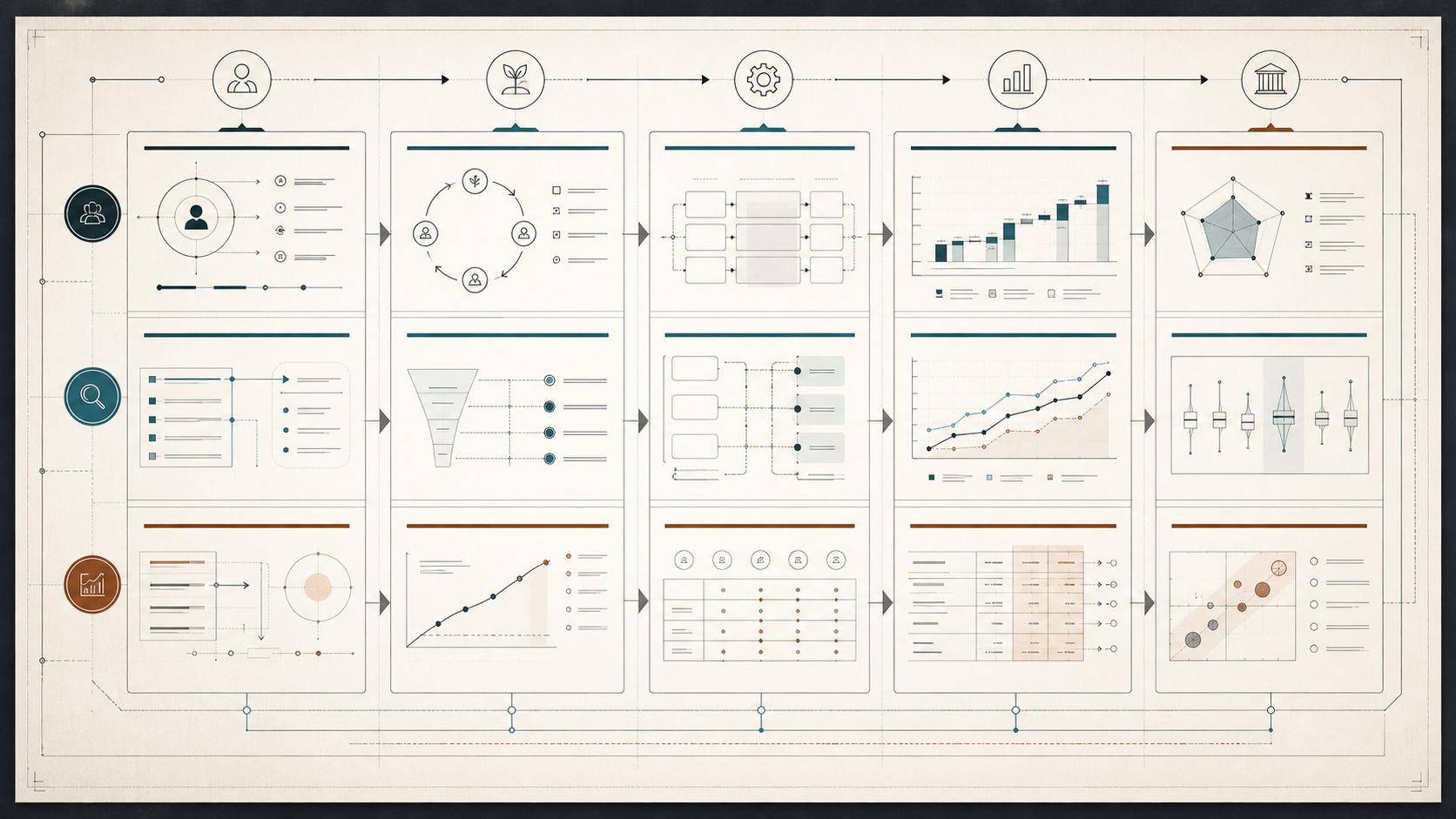
Start with one unit of revenue and make the operating judgment traceable

The same path sits behind most management questions. Why does the customer pay, how is revenue earned, what happens to cost and cash, and where should the company place its next unit of resource? When capital is involved, the same facts become the basis for external conviction.

OPERATING & CAPITAL DECISION MAPFROM OPERATING FACTS TO EXECUTIVE DECISIONS
Analytical canvas linking customer value, growth mechanics, operating evidence, financial outcomes, and capital judgment
01 / DECISION QUESTION

Why does the customer pay, and how is revenue earned?

ANALYTICAL FOCUS

Reconcile the customer, need, delivery, pricing, and settlement behind each revenue stream.

OUTPUTBusiness model and revenue architecture

Every conclusion should trace back to an operating fact, a financial definition, and an accountable owner.

06 / FOCUSED IMPLEMENTATION

Once the issue is clear, implement only what is needed

01
Management has data but lacks an operating view

Operating metrics and management dashboard

Align revenue, profit, cash, and operating activity so exceptions can be seen early and assigned to an owner.

  • Core operating metrics
  • Definitions, sources, and owners
  • Management operating dashboard
02
The growth ambition is set, but its resource needs are unclear

Budget, cash, and financial model

Connect customers, projects, pricing, and conversion to profit, cash, and funding needs.

  • Operating scenarios
  • Cash and budget plan
  • Critical assumption stress test
03
External institutions are beginning to examine the company

Fundraising case and institutional diligence

Reconcile business, finance, and fundraising materials before testing revenue, cost, data, and controls.

  • Fundraising logic and materials
  • Diligence questions and evidence list
  • Risk remediation plan
04
The current finance approach cannot support a new structure

International and major operating projects

Clarify contracts, cash, tax, delivery, and accountability before the business goes live.

  • Transaction and settlement structure
  • Project profit and cash model
  • Governance and authority framework

07 / MATCH THE DECISION

Let the next business decision determine the finance priority

Company size provides context. The real starting point is the decision management is making and whether the current finance capability can support it.

IMMEDIATE TASKDecide whether new business will improve profit
PRIORITYRevenue, cost, and unit economics
DEFERDefer complex capital materials

LONG-TERM ADVISORY

When the company needs senior finance judgment, I join the work directly

For recurring questions around performance, cash, fundraising, or major projects, I can work with the CEO as an external finance and capital adviser. The relationship usually begins with one defined project and becomes ongoing only when continued support is genuinely useful.

01Monthly operating and finance review02Budget, cash, and funding needs03Board and investor reporting04Metric and model maintenance05Financial assessment of major decisions06Finance-team working methods

The internal finance team continues to own its day-to-day responsibilities. I add operating and capital judgment, complex-project experience, and focused execution capacity.

09 / FIT & BOUNDARIES

Choose the right form of support for the current stage

The work tends to fit when

The business is real and the finance team can run core accounting

Management decisions increasingly need profit, cash, and budget support

A full-time CFO is not yet the right commitment

The CEO or core management team will join key discussions

The company is prepared to act on verified evidence

Another form of support may be more suitable when

The main requirement is bookkeeping, tax filing, or payment administration

The request is limited to deck polish or investor lists

Necessary business and finance information cannot yet be provided

A financing, listing, or valuation outcome must be guaranteed

The need is statutory audit, legal opinion, or underwriting

10 / HOW WE WORK

How an engagement takes shape

01

Initial conversation

Describe what the company is working on and the decision management finds hardest.

02

Evidence review

Review the existing business and finance information to define the issue and starting point.

03

Scope agreement

Agree the objective, outputs, timing, responsibilities, and required evidence.

04

Analysis and execution

Interview, analyse, and build the model or system while calibrating with management.

05

Delivery and action

Assign owners, timing, and review points so the work enters the operating routine.

11 / QUESTIONS BEFORE WE BEGIN

What usually needs to be clear before we begin

01We already have a finance lead. Is external support still useful?

Yes. The finance lead continues to own accounting, tax, and day-to-day work. I add operating analysis, cash planning, fundraising readiness, and senior judgment on major projects alongside the existing team.

02Does this fit if we are not currently fundraising?

Yes. Profitability analysis, budgets, cash forecasting, management dashboards, and major operating projects can all be handled independently. Capital readiness is one service line, not a prerequisite.

03How much management time does a project require?

A first diagnostic normally requires two or three focused CEO discussions. The finance lead provides existing information, while business leaders join only the interviews relevant to their area. The expected commitment is agreed before work begins.

04Can the engagement address one issue only?

Yes. Where the boundary is already clear, work can begin directly with an operating model, management dashboard, cash plan, diligence preparation, or international transaction structure.

05How is confidential information protected?

The public site does not collect detailed financial information. A formal engagement defines the evidence required, access rights, storage arrangements, and confidentiality responsibilities before materials are shared.

06Must we continue after the diagnostic?

No. The diagnostic produces a 90-day action plan the internal team can run. The company may proceed independently or select focused implementation or ongoing advisory.

Use the project brief for any question not covered here.

START WITH CONTEXT

I would welcome a conversation about the company's next important decision

A short note on what the company is working on and the question management finds hardest is enough. No formal materials or sensitive uploads are needed for the first conversation.

Share the question you are working through